Blogs
Come and learn abit more about what we offer and why we are becoming know for the best cleaing results on Anglesey wether its your drive way of Your caravan we cover it all.
Pressure washing
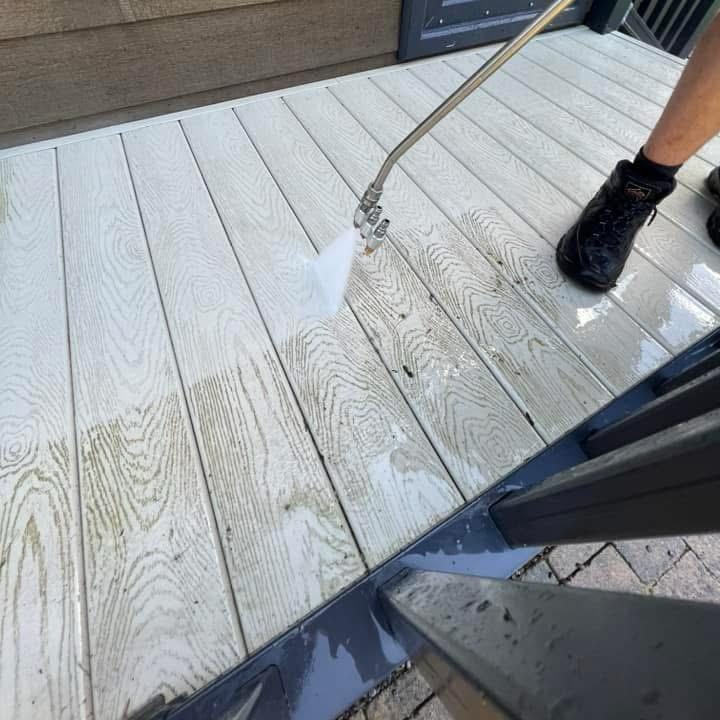
Driveway cleaning in Anglesey is an affordable way to improve the look of your home and protect your driveway from long‑term damage. Most homeowners across the island are likely to pay from £80 depending on the size and condition of the surface. Smaller driveways usually fall at the lower end of the price range, while larger or heavily stained areas cost more to clean. The type of driveway also affects the price, with block paving often requiring extra work such as re‑sanding. Driveways with moss, algae, or black spot lichen may need specialist treatments to achieve the best results. Professional cleaning is worth the investment because commercial equipment removes deep dirt that domestic pressure washers cannot. It also prevents accidental damage caused by using the wrong pressure or chemicals. In Anglesey’s coastal climate, driveways tend to get dirty faster due to moisture, salt air, and wind‑blown debris. Most homeowners benefit from a full clean once a year, or every six to nine months in shaded or damp areas. A clean driveway improves kerb appeal, especially for holiday lets where first impressions matter
Pressure Washing vs Soft Washing
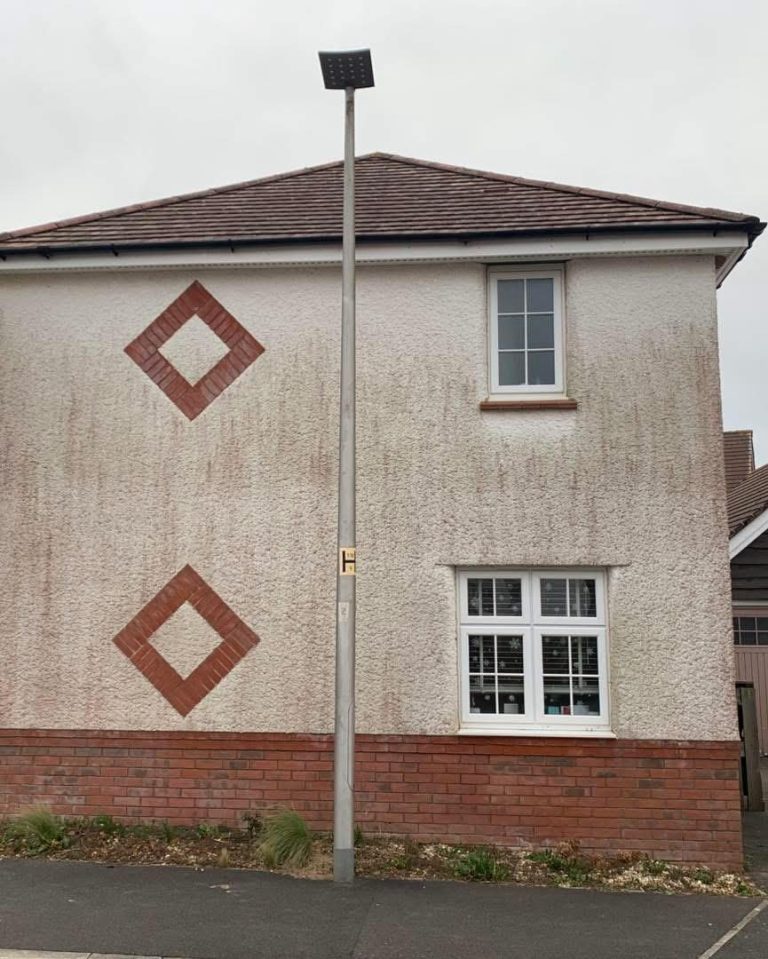
Pressure washing and soft washing are two effective exterior cleaning methods, but they work in very different ways. Pressure washing uses high‑powered water to remove dirt, moss, algae, and stains from hard surfaces like driveways, patios, and concrete. Soft washing uses low pressure combined with specialist cleaning solutions to safely clean delicate surfaces such as render, cladding, and painted walls. Many homeowners in Anglesey choose pressure washing for tough jobs because it quickly restores driveways and patios to a like‑new finish. However, using high pressure on the wrong surface can cause damage, which is why soft washing is the safer option for buildings and more fragile materials. Soft washing is especially effective for removing organic growth like algae and black staining without risking cracks or surface erosion.
How to Safely Store a Touring Caravan for the Winter
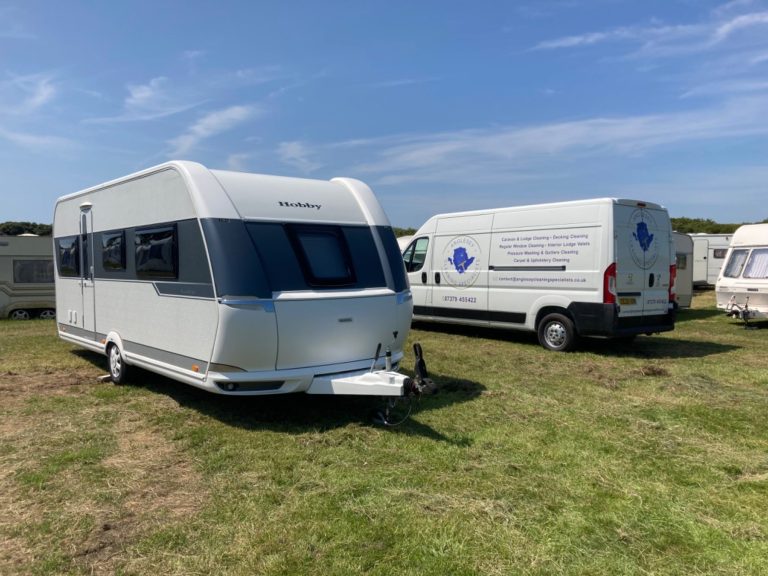
Storing your touring caravan properly over winter is essential to prevent damp, damage, and costly repairs. The most important step is choosing a dry, secure location that protects the caravan from harsh weather. Many owners place their caravan on a slight rear slope to help rainwater run off the roof instead of pooling. This simple adjustment reduces the risk of leaks, staining, and long‑term water damage. Before storing, it’s vital to clean the exterior thoroughly to remove algae, dirt, and salt that can corrode surfaces. Inside the caravan, remove all food, open cupboards, and allow air to circulate to prevent mould. Draining down the water system is another key step, as frozen pipes can crack and cause expensive issues. Tyres should be inflated to the correct pressure,
Professional Caravan Cleaning
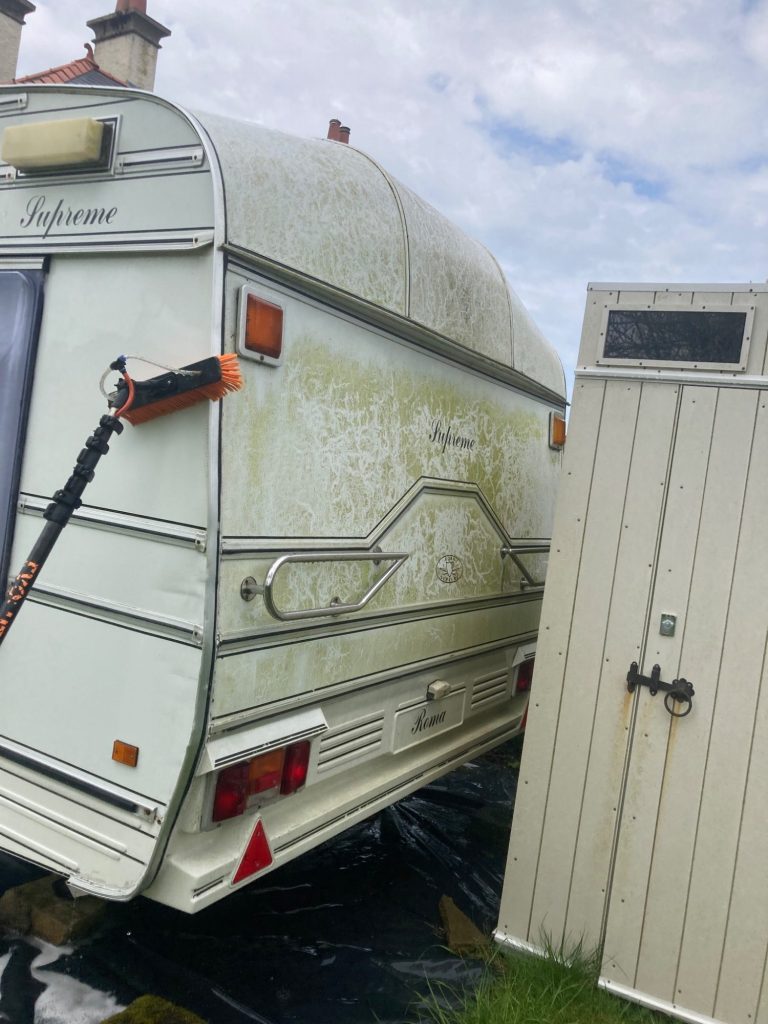
Having your touring caravan professionally cleaned is one of the best ways to protect its value and keep it looking its best throughout the year. Many owners choose expert cleaners because they want a safe, thorough clean without the risk of damage from pressure washers. At Anglesey Cleaning Specialists, we use caravan‑approved cleaning methods that avoid high pressure and protect seals, trims, vents, and delicate surfaces. Our team has many years of experience and has cleaned hundreds of caravans for happy customers across Anglesey and North Wales. Every clean is fully covered by public liability insurance, giving you complete peace of mind. Prices for a professional touring caravan clean typically range from £110 to £260, depending on the size of the caravan and the level of cleaning required. Smaller 2‑berth caravans usually fall at the lower end of the price range, while larger 4‑ to 6‑berth models require more time and specialist products. Heavily weathered caravans or those with algae, black streaks, or roof build‑up may need additional treatments to achieve the best finish.